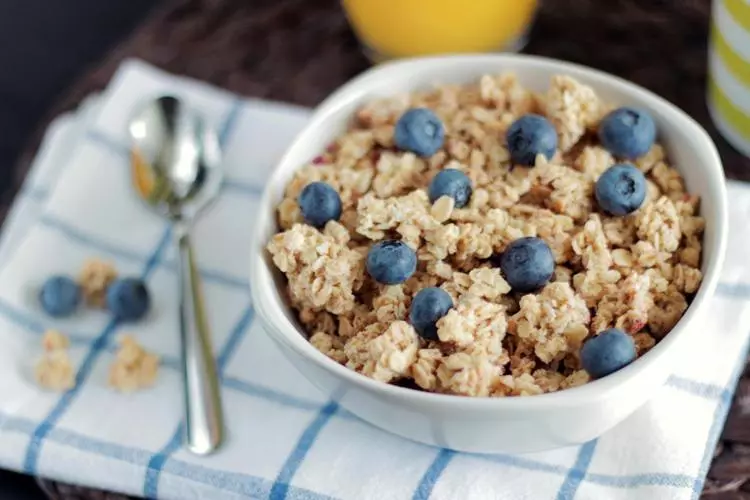
Photo Credit: by JÉSHOOTS, Pexels.com
When it comes to foods that help stabilize blood sugar, oatmeal is often underrated.
But mounting evidence suggests that a daily serving of oats may actually help reduce the risk of Type 2 diabetes, improve glucose control, and support metabolic health. This is likely due in large part to the high content of soluble fiber, particularly a type called beta-glucan, in oats.
In this article, we’ll explore why oatmeal works, the evidence behind it, how to include it in your diet sensibly, and how it might complement (not replace) medical therapies like Rybelsus, Farxiga, or Glucophage (metformin).
Why Oatmeal Helps: The Role of Beta-Glucan and Soluble Fiber
Oats are a whole grain rich in a type of soluble fiber called beta-glucan. This fiber has special properties that really shine in the digestive tract. Some of the effects of beta-glucan include:
1. Slows digestion and absorption
Beta-glucan forms a viscous gel in the gut, which slows gastric emptying and delays the absorption of carbohydrates into the bloodstream. This helps slow, decrease, or lessen those post-meal glucose spikes.
2. Reduces glycemic and insulin response
Adding oat beta-glucan to some meals can significantly lower both glucose and insulin levels.
3. Improves insulin sensitivity and fasting metrics
Over weeks to months, regular oat or beta-glucan consumption can actually reduce fasting insulin, HbA1c, and other markers of glycemic control, especially in people with (or at risk for) Type 2 diabetes.
4. Beneficial metabolic effects beyond glucose
Oats also tend to improve lipid profiles (lower LDL and total cholesterol) and may support weight management, both of which are relevant to metabolic syndrome and the risk of diabetes.
By delaying intestinal absorption and increasing viscosity in the gut, oatmeal can make a real difference in digestive health. Of course, it’s not a magic bullet, but oatmeal is a food with real, measurable effects on glycemic response when consumed regularly and appropriately.
Evidence for Oats from Clinical Trials and Meta-Analyses
Several human studies and reviews support the idea that oats can help reduce the risk or severity of Type 2 diabetes:
* An article published in the National Library of Medicine suggests that oat beta-glucan improved glycemic control in people with Type 2 diabetes. However, results varied by dose and molecular weight of the fiber: “mediate-term OBG intake (3–8 weeks) favored the glycaemic control of T2DM patients but did not improve their insulin sensitivity.”
* An article published by ScienceDirect states: “The intake of 5?g/oat beta-glucan for 12?weeks can help improve glycemic control, increase the feeling of satiety, and promote changes in the gut microbiota profile.”
* BMJ Journals reports, “Consumption of oats and oat beta-glucan results in generally small improvements in established markers of fasting and postprandial glycemic control beyond concurrent therapy in adults with type 2 diabetes. The current evidence provides a very good indication for reductions in fasting glucose and less of an indication for reductions in HbA1c, 2h-PG, fasting insulin and HOMA-IR in this population.”
* Nature.com reports that in people with and without diabetes alike, adding beta-glucan to carbohydrate-heavy meals lowered postprandial glucose and insulin excursions: “OBG leads to a clinically meaningful reduction in postprandial glucose responses provided that a sufficient amount of high MW OBG is provided.”
That said, not every study finds a benefit of oatmeal on gut health. There are factors like real-world diets and compliance, dose variations, and interactions with other foods to contend with. Some of these can blunt the effect of consuming oats.
In practice, the most consistent benefit of eating oats appears when a threshold amount of beta-glucan is consumed (often greater than or equal to three to four grams per day) and when the oats are consumed in minimally processed forms. For example, to achieve the most beneficial effects, opt for rolled or steel-cut oats rather than highly processed or instant varieties.
Thus, oats are by no means a substitute for medical therapy. Instead, it’s better to think of them as a useful dietary tool in the toolbox. They are not a cure-all. However, they can be helpful for many people and many diets.
How to Incorporate Oatmeal Sensibly
To get the most benefit from oatmeal, here are some practical tips:
* Choose the right kind: steel-cut or old-fashioned rolled oats typically retain more intact structure, slower digestion, and higher fiber than heavily processed instant oatmeal. Opt for minimally processed oatmeal rather than the quickest option. Organic oatmeal also contains less glyphosate than non-organic varieties.
* Target meaningful beta-glucan dose: aim to get at least three grams of beta-glucan per day from oats, ideally spread over multiple meals. Try four grams per 30 grams of available carbohydrates for a significant glycemic effect.
* Combine with protein, healthy fat, and low glycemic additions: pair your oats with nuts, chia, yogurt, or berries to further blunt glucose absorption.
* Avoid excessive sweeteners: sugary add-ins to your oatmeal can erase benefits.
* Rotate foods: oats are beneficial, but variety matters for microbiome, nutrients, and enjoyment.
* Be mindful of celiacs or gluten sensitivity: ordinary oats can be cross-contaminated; choose certified gluten-free oats if needed.
Over time, regular oat consumption as part of a balanced diet may help smooth blood sugar curves, improve insulin sensitivity, and reduce progression from prediabetes to Type 2 diabetes.
How Oats Fit with Diabetes Medications (Rybelsus, Farxiga, Glucophage)
While oatmeal offers modest, supportive benefits in some diets, many people with Type 2 diabetes (or those who are high risk) still require pharmacotherapy to manage glucose safely and effectively.
Here’s how dietary and drug approaches can complement one another:
Glucophage (Metformin)
Metformin is typically a first-line therapy. It works by reducing the production of a certain type of glucose and improving insulin sensitivity. Many patients taking metformin (often marketed as Glucophage) also benefit further from dietary strategies.
Oatmeal’s insulin-sensitizing and glucose–blunting effects can work in conjunction with metformin rather than in conflict.
Rybelsus (Oral Semaglutide)
Rybelsus is an oral GLP-1 receptor agonist. Beyond lowering glucose, it often helps with satiety and weight loss.
Since oatmeal can increase fullness and slow glucose absorption thanks to its fiber content, it may help smooth post-meal glucose peaks and mitigate the gastrointestinal side effects of GLP-1 therapy in some patients.
Farxiga (Dapagliflozin)
Farxiga belongs to the SGLT2 inhibitor class: it lowers blood glucose by promoting renal glucose excretion, which is a fancy way of describing the body forcing excess glucose to be peed out.
Eating a fiber-rich diet (like oats) helps reduce the glucose load in the first place, which can reduce pressure on the kidneys and complement the pharmacologic effects of Farxiga.
It’s an important caveat to note that none of these medications can or should be replaced by diet alone in patients who require them. Always follow the guidance of your healthcare provider, monitor glucose closely, and never stop or adjust a prescription medication without supervision by a medical professional.
In sum, oatmeal is best viewed as a nutritional ally. It works best when paired with medications like Rybelsus, Farxiga, and Glucophage (for those who need them) to optimize blood sugar control, reduce insulin peaks, and support long-term metabolic health.
Reminders about the metabolic power of oatmeal:
* The glycemic benefit from oats is modest and incremental, not dramatic. It should be considered part of a holistic lifestyle approach, which also spans diet, physical activity, and weight control.
* Effect depends on dose, molecular weight, processing, and food matrix of the oats you eat; not all oatmeal products are created equal.
* In real-life settings, dietary adherence and variability may blunt the real-life effects versus what’s found in controlled trials.
* People with celiac disease or gluten sensitivity should use certified gluten-free oats to avoid cross-contamination.
* As with introducing any high-fiber food, gradually increase your intake to avoid bloating, gas, or digestive discomfort.
* Always monitor blood glucose, adjust medications as needed under medical supervision, and use oats as a complementary (not replacement) strategy.
Sample “Oatmeal Strategy” for People at Risk or With Type 2 Diabetes
Here’s a sample routine one might try (with approval from a clinician or dietitian):
* Breakfast: ½ cup steel-cut oats cooked with water or unsweetened plant milk + 1 tbsp chia or flaxseed + a handful of berries + small handful of nuts
* Mid-morning snack (if needed): yogurt or cottage cheese, plus a small sprinkle of oats
* Optional lunch or snack: incorporate oats into savory dishes (oat porridge, oat risotto, oat-based soups)
* Evening meal: regular balanced plate — vegetables, lean protein, healthy fats, and minimal refined carbs
Over several weeks, monitor your fasting glucose, readings, and HbA1c (if applicable) to track your progress. Your physician or endocrinologist may adjust doses of medications like metformin (Glucophage), Rybelsus, or Farxiga accordingly if your glucose control improves.
A bowl of oatmeal a day is not a cure-all, but it is a smart, science-backed dietary choice with measurable benefits for glycemic control and diabetes prevention. By slowing carbohydrate absorption, moderating insulin responses, and gradually improving metabolic health, oats can serve as a valuable nutrition partner alongside medical therapies.
While medications like Rybelsus, Farxiga, and Glucophage remain essential for many people managing Type 2 diabetes, dietary tools like oatmeal can help optimize outcomes, smooth glucose curves, and potentially even reduce a patient’s reliance on prescription medications over time (under clinical supervision).
###
Your email address will not be published. Required fields are marked with *.