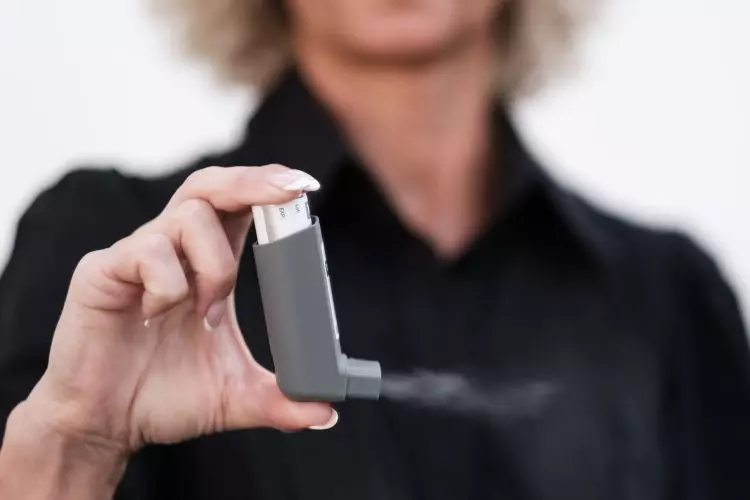
Photo Credit: by Cnordic Nordic, Pexels.com
Since the inception of inhaled medications, the management of chronic lung diseases such as asthma and COPD has continued to advance. Increasingly, new and targeted therapies continued to transform the way we manage these conditions. It is equally important, however, to know the basic types of inhalers, how they differ, and how and when to use them. Using the wrong type of inhaler, or using the right one incorrectly, can lead to poor control of symptoms, more emergency department visits, and even life-threatening flare-ups. Next, we’ll tackle all of this and more.
Rescue Inhalers: You’re “Fire Extinguisher” During an Attack
These inhalers, termed “rescue” inhalers, work to immediately relieve symptoms such as shortness of breath, wheezing, and coughing by opening up the airways of our lungs. These rescue inhalers, such as Ventolin, are short-acting and work quickly to relieve symptoms. They do so by relaxing the smooth muscle of our airways, causing them to dilate or open. Thus, they are the initial go-to medication during a flare-up to quickly relieve symptoms. These medications are more specifically termed short-acting beta agonists (SABA) because, in addition to acting quickly within minutes, they act on the beta-2 adrenergic receptors located on the smooth muscle of our airways to cause them to “bronchodilate” or open further so that air moves much more easily in and out of our lungs. Next, we’ll discuss the other type of inhaler: maintenance inhalers.
Maintenance Inhalers: Preventing the Fire Before it Starts
The term “maintenance” refers to the fact that these long-acting inhaler medications help keep inflammation down and the airways open, so the disease (i.e., asthma or COPD) remains controlled over the long term. Thus, in contrast to rescue inhalers, which are used during an acute flare, these maintenance inhalers are long-acting and used daily (how often each day depends on the specific medication). They can work through various mechanisms, such as inhaled corticosteroids that reduce inflammation or long-acting beta-2 agonists that relax airway smooth muscle over time, keeping the airways open. Maintenance inhalers are often combined, such as Advair, which contains fluticasone (a corticosteroid) and salmeterol (a long-acting beta-2 agonist). Furthermore, due to the complex and evolving nature of managing chronic lung disease, one’s physician (often a pulmonologist or lung specialist) will create an individualized care plan and work with the patient to determine which maintenance inhaler—or combination of medications—best fits their condition, symptoms, and treatment goals, as what works well for one person may not be the best option for another.
Thus, the ultimate goal of maintenance inhaler treatment is to control the disease process and prevent flare-ups, while rescue inhalers are used during flare-ups to quickly relieve symptoms. Understanding the difference is important for using the correct inhaler in the right situation (i.e., a rescue inhaler for flare-ups and a maintenance inhaler daily as prescribed). It is also important to speak with your doctor about proper technique for using your inhaler so the medication reaches your lungs and works as intended.
Furthermore, it is important to note that a growing trend in asthma treatment recommendations, called SMART (Single Maintenance and Reliever Therapy), is increasingly used globally. Recommended by the Global Initiative for Asthma (GINA) and the National Asthma Education and Prevention Program (NAEPP) for patients aged 4 years and older with moderate to severe persistent asthma, SMART therapy consists of using a single, specific combination inhaler for both daily maintenance control and as an as-needed rescue inhaler for this specific patient population. These combination inhalers include an inhaled corticosteroid and the long-acting beta-2 agonist formoterol, which has a rapid onset of action for symptom relief (similar to short-acting beta-2 agonists). It is important to note that the FDA has not approved these inhalers for use as rescue inhalers.
However, the FDA recently did approve a new type of combination rescue inhaler called Airsupra. This inhaler combines albuterol (a short-acting beta agonist medication that quickly opens the airways) with budesonide (an inhaled corticosteroid that reduces inflammation). Airsupra is approved for patients 18 years of age and older with asthma and can be used as needed to relieve asthma symptoms and help reduce the risk of asthma flare-ups. It is important to note that Airsupra is a rescue inhaler only — it is not used as a daily maintenance inhaler, which makes it different from SMART therapy. As always, speak with your doctor to determine if Airsupra or SMART therapy is right for you.
The Bottom Line: The Right Inhaler at the Right Time
Inhalers play a vital role in managing chronic respiratory conditions such as asthma and chronic obstructive pulmonary disease (COPD), but understanding the difference between rescue and maintenance inhalers is essential for achieving optimal outcomes. Rescue inhalers provide rapid relief during episodes of wheezing, coughing, chest tightness, or shortness of breath by quickly relaxing the smooth muscle surrounding the airways, making them the first-line treatment for an acute flare-up. Because they act within minutes, they are designed to treat symptoms as they occur. Maintenance inhalers, on the other hand, are used consistently as prescribed to control the underlying disease process. Depending on the type of maintenance inhaler medication, they reduce airway inflammation, keep the airways open by relaxing airway smooth muscle, or combine both effects to improve long-term symptom control and reduce the frequency of exacerbations.
Since asthma and COPD vary significantly from person to person, healthcare providers often tailor maintenance therapy to each individual's symptoms, disease severity, and response to treatment, sometimes adjusting medications over time to achieve optimal control. Proper inhaler technique is equally important, as even the most effective medication cannot work optimally if it does not reach the lungs. By understanding the distinct roles of rescue and maintenance inhalers and using each as directed, patients can better manage their respiratory disease, reduce complications, and improve their overall quality of life.
Every breath is something many of us take for granted—until it becomes difficult. For the millions of people living with asthma or COPD, understanding the difference between a rescue and a maintenance inhaler is more than just knowing the names of two medications; it is knowing how to take control of your health. A rescue inhaler can help you through a frightening flare-up, but a maintenance inhaler can help prevent many of those moments from happening in the first place. Used as directed by your physician, these medications can reduce symptoms, prevent hospitalizations, and help you stay active and enjoy the moments that matter most. If you are ever unsure which inhaler you should be using, how often to use it, or whether your symptoms are truly under control, don't hesitate to ask your physician or pharmacist. A simple conversation today could help you breathe easier tomorrow—and when it comes to your lungs, every breath is worth protecting.
Related Articles:
https://www.yalemedicine.org/news/still-using-the-same-rescue-inhaler-for-asthma-you-might-have-better-options
https://aafa.org/asthma/asthma-treatment/?gad_source=1&gad_campaignid=382549409&gbraid=0AAAAADV5dk84D14jlY2rN_5X9M1ylNM0d&gclid=CjwKCAjwpK3SBhASEiwAtV1SPNP4j3iPplTwL3pjPXV3N0bzstGHHL-dAe9L1FipZRlSSRieONUYGxoC9XkQAvD_BwE
https://site.thoracic.org/about-us/news/2024-international-conference-press-release/few-moderate-or-severe-asthma-patients-prescribed-recommended-inhaler-regimen
###
Your email address will not be published. Required fields are marked with *.