Photo Credit: by Patricia Marie Photography, flickr.com
In 2026, sustainability is no longer confined to farmers’ markets and reusable grocery bags. Now, it’s entering your medicine cabinet. As consumers become more conscious of their environmental footprint, a new category is taking shape: “low-waste wellness” is raising questions about how prescriptions are stored, disposed of, and even manufactured.
While the healthcare system has traditionally prioritized safety and efficacy above all else, there is growing awareness that everyday pharmaceutical habits—from flushing unused pills to discarding plastic pill bottles—may carry unintended environmental consequences.
The emerging “green pharmacy” movement aims to bridge that gap, offering a more holistic view of health that includes both personal and environmental well-being.
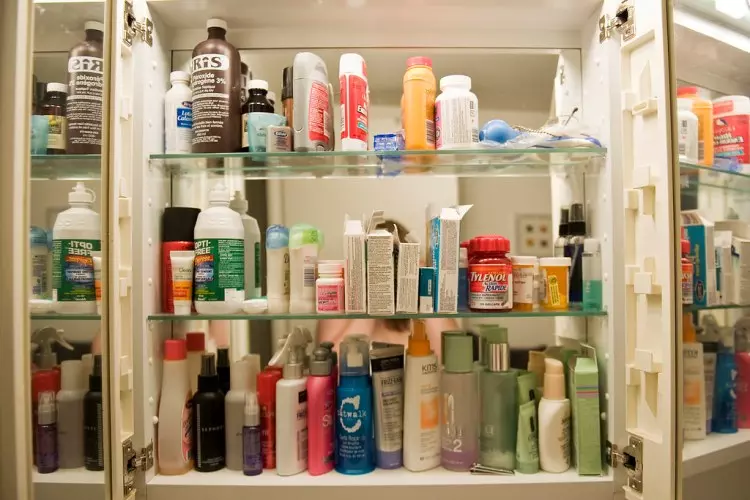
If you’re thinking of spring cleaning your cabinet, take these tips into consideration before you dispose of old meds or buy a bunch of small containers to store small items in. There may be better, safer solutions available.
Wondering how to take better care of the earth while you take care of yourself? Or just curious about what to do with old meds? Read on to learn more.
The Hidden Impact of Improper Medication Disposal
For decades, patients were commonly advised to flush unused medications down the toilet as a way to prevent accidental ingestion or misuse. While guidelines have evolved, many people still rely on this practice or simply throw medications in the trash without a second thought.
However, research has shown that certain compounds can pass through wastewater treatment systems and enter natural waterways. From weight loss medications to heart disease drugs to simple supplements, this is dangerous to both humans and wildlife.
Two commonly discussed examples include synthetic hormones like ethinylestradiol (found in some birth control pills) and antidepressants such as fluoxetine (Prozac). Even in trace amounts, these substances have been studied for their potential effects on aquatic life, including disruptions to fish reproduction and behavior.
And they can even make their way into our bodies, which is dangerous even in trace amounts for those who haven’t been prescribed these medications. Nobody needs to experience the side effects of drugs they’re not even taking!
It’s a nuanced reality and it takes all of us to make a difference. True, a single pill is unlikely to cause measurable harm on its own. But when multiplied across millions of households, small actions make up larger environmental patterns.
What Patients Can Do Instead
Health authorities increasingly recommend drug take-back programs as the safest and most environmentally responsible option for getting rid of old drugs. These programs—often hosted by pharmacies, hospitals, or community organizations—ensure medications are disposed of through controlled, safe processes.
If a take-back option isn’t readily available, guidance from agencies like the FDA suggests mixing medications (without crushing tablets or capsules) with unpalatable substances such as coffee grounds or cat litter, sealing them in a container, and placing them in the trash. This reduces the risk of misuse while limiting environmental exposure.
However, there are other recommended routes too. Here’s how the FDA puts it:
“Is your medicine cabinet full of expired drugs or medications you no longer use? The best way to dispose of most types of expired, unwanted or unused medicines is through a drug take-back program.
To discard of your prescription or over-the-counter medicines, you can:
• Drop off them at a drug take-back location.
• Mail them using a prepaid drug mail-back envelope.
If you cannot use those options, follow these guidelines:
• If your medicine is on the U.S. Food and Drug Administration’s flush list, flush these potentially dangerous medicines down the toilet.
• If your medicine is not on the flush list, follow the instructions below to discard it at home.”
Consumers are also encouraged to remove or obscure personal information on prescription labels before disposal to protect privacy. Nobody needs an identity theft crisis on top of their medical concerns!
The “Orange Bottle Problem”
Another overlooked aspect of pharmaceutical waste is packaging—specifically, the ubiquitous orange prescription bottle.
In North America, most prescription medications are dispensed in containers made from #5 polypropylene plastic. So if they’re plastic, why can’t you recycle pill bottles?
While technically recyclable, these bottles are often not accepted by curbside recycling programs due to their small size, pigmentation, or local processing limitations. As a result, millions of pill bottles end up in landfills each year.
In a Reddit thread titled How come we can’t reuse our clean prescription bottles?, various contributors had smart ideas for ways to reuse old pill bottles. They wrote:
• “You can donate them to pet shelters! They need them for animal meds and will happily accept clean, empty bottles with no labels.”
•“You can also just fill the bottle with hot water, let it sit for a minute, dump out the water, and then peel off the label. Just need to heat up the glue so that the label comes off more easily.”
• “Why don’t you reuse them yourself though? Turn them into herb containers, mix salt and pepper to keep in the car, put little nicknacks in them like hair ties, thumb tacks, pins/needles. Plenty of ways to reuse them!”
• “I put jewelry into them to travel with. So for example I will pack my pearl earrings, a specific ring, and a tiffany bracelet all together in one bottle. Then when I need to wear my little black dress, I pull that bottle out. The jewelry for that outfit is all together.”
• “Great for sharp things like pins, needles, blades - fill it up, wrap that sucker in duct or packing tape, and then it becomes ‘safe’ trash that won’t cut any of the people that handle your trash.”
• “I was a dancer for about a decade, I used old pill bottles to store spare bobby pins! Or safety pins, for the occasional wardrobe malfunction. Perfect size for both, worked like a charm! Kept em in my bag whenever someone needed one, never failed”
Blister packs, commonly used for certain medications and supplements, present a different challenge. These multi-layered packages often combine plastic and aluminum, making them difficult to recycle through conventional systems.
Are There More Sustainable Alternatives?
Some pharmacies and manufacturers are beginning to explore alternative solutions. These include:
• Refillable or reusable pill containers
• Mail-back recycling programs for medication packaging
• Compostable or biodegradable materials (still in early stages)
• Reduced packaging for maintenance medications
However, widespread adoption remains limited due to regulatory requirements around safety, tamper evidence, and drug stability.
For now, small steps—like consolidating prescriptions when appropriate or participating in specialty recycling programs—can help reduce individual waste.
Green Chemistry and Cleaner Production Methods
Beyond disposal and packaging, sustainability is also influencing how certain health products are made.
“Green chemistry” refers to the design of chemical processes that minimize environmental impact. In the supplement and wellness space, one example is the use of supercritical CO2 extraction—a method that uses pressurized carbon dioxide to extract active compounds from plants.
Compared to traditional solvent-based extraction, this approach can reduce the use of harsh chemicals and leave fewer residual byproducts. It’s often highlighted by brands aiming to position their products as cleaner or more environmentally conscious.
That said, not all “green” claims are equal. Terms like “natural,” “eco-friendly,” or “clean” are not always regulated in the same way as pharmaceutical standards, so consumers may benefit from looking for third-party certifications or transparent sourcing information when evaluating products.
Balancing Personal Health and Environmental Awareness
It’s important to recognize that medications play a critical role in managing health conditions, and environmental considerations should not come at the expense of proper treatment. Patients should always follow guidance from healthcare providers regarding how and when to take prescribed medications.
The goal of low-waste wellness is not perfection, but awareness. Small, informed choices—maybe you take a few extra steps to participate in a take-back program instead of flushing medications or just be more mindful of packaging—can collectively make a difference.
A Shift Toward More Conscious Care
The idea of a “green pharmacy” is still evolving, but it reflects a broader shift in how people think about health. Health is not just an individual pursuit, but something connected to larger systems.
As innovation continues, future developments may include more sustainable packaging, improved disposal infrastructure, and manufacturing processes designed with environmental impact in mind.
In the meantime, building a more sustainable medicine cabinet starts with simple steps—and a growing understanding that what we do with medications after we take them matters just as much as the medications themselves.
Also, make sure the rest of your routine is as green as possible. Small steps like recycling, switching to reef-friendly sunscreen, taking mass transport, and turning the lights off when you leave the house really add up. Put together with all your efforts, we can make a big difference overall.
###
Your email address will not be published. Required fields are marked with *.