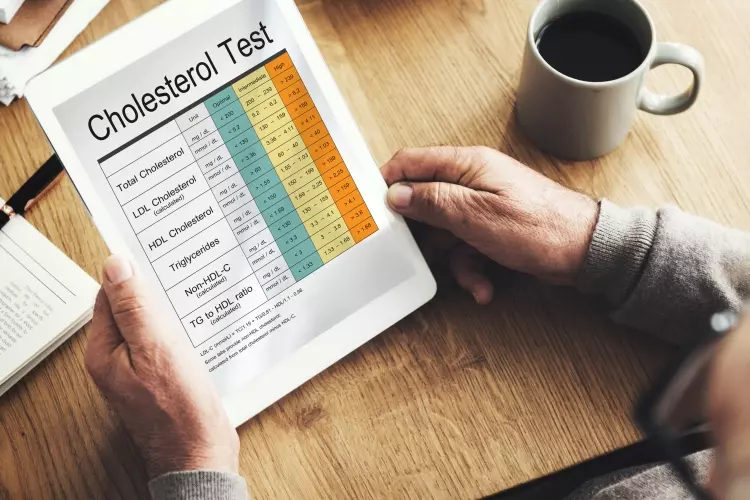
Photo Credit: rawpixel.com, magnific.com
Before most of us ever start worrying about heart disease or memory loss, the groundwork is already being laid inside our bodies. Understanding what cholesterol is and how it works isn’t just for later in life; it’s one of those things that pays off the earlier you pay attention.
That’s why the conversation has moved beyond a simple “good vs. bad” label. Cholesterol is a lifelong factor that quietly shapes the health of your heart and brain. The 2026 updated guidelines from the American College of Cardiology and the American Heart Association (ACC/AHA) stress starting earlier, checking your personal risk, and aiming for LDL levels that fit your unique health picture. It’s not about panicking in midlife; it’s about knowing your numbers now, whether you’re in your 30s, 40s, or beyond, and making smart moves before plaque builds up or memory issues start creeping in.
In this article, we’ll discuss:
* Why newer markers like apoB and Lp(a) matter more than total cholesterol alone.
* How midlife LDL levels are linked to dementia risk decades later.
* Which medications and options are available.
* What dietary modifications and supplements actually work (and which ones don’t) according to clinical trials.
This is cholesterol management for real life: science-backed, tailored to you, and focused on keeping your heart and brain strong for the long haul.
The New Cholesterol Landscape: Key Markers Beyond Total and LDL
For years, total cholesterol and LDL-C were the numbers everyone watched. Today, they’re just the beginning. The 2026 ACC/AHA dyslipidemia guideline highlights newer markers that give a clearer, more personal view of your heart risk.
Apolipoprotein B (apoB)
ApoB measures how many cholesterol particles are in your blood, including LDL, VLDL, and Lp(a). It’s a better predictor of heart disease than standard LDL, especially if you have diabetes, high triglycerides, or metabolic syndrome.
The 2026 guideline recommends apoB testing for high-risk patients who’ve already reached their LDL goal but may still have hidden risk.
Lipoprotein(a) — Lp(a)
Lp(a) is a type of cholesterol you inherit. It has an extra “tail” that makes it more likely to cause plaque and blood clots.
* Lp(a) =125 nmol/L (about 50 mg/dL) raises long-term heart attack or stroke risk by roughly 1.4 times.
* Lp(a) =250 nmol/L doubles that risk.
The guideline recommends checking Lp(a) at least once as an adult. Lifestyle changes don’t lower it much, so knowing your level early can help guide treatment and more aggressive LDL management.
Other Risk Enhancers
Beyond lipids, several factors refine your atherosclerotic cardiovascular disease (ASCVD) risk:
* Inflammatory markers like CRP
* Elevated homocysteine levels
* Elevated triglycerides
* Family history of premature heart disease
* Chronic kidney disease
* South Asian ancestry
* Reproductive risks such as gestational diabetes
These pieces help paint a clearer, more personal picture of your risk and guide how aggressively to tailor your treatment.
HDL Cholesterol: Is “Good” Still Good?
For a long time, HDL cholesterol wore the “good” label, praised for sweeping excess cholesterol out of arteries. It made sense: people with higher HDL tended to have lower heart disease risk in observational studies.
But the story has evolved. The 2026 ACC/AHA guideline now cautions that high HDL alone isn’t a free pass. In some cases, very high HDL may even signal particles that don’t protect as expected.
Low HDL still flags risk, especially when paired with high triglycerides or insulin resistance. Yet, drug trials that artificially raised HDL, like with niacin, didn’t consistently cut heart attacks or strokes when added to statins. That’s why the focus has shifted: instead of chasing higher HDL numbers, the priority is now to lower apoB-containing particles, the real drivers of plaque buildup.
In short, HDL still matters as part of your overall risk profile, but it’s no longer a treatment target on its own. What counts most is how many artery-clogging particles are circulating, not how much “good” cholesterol you have to balance them out.
Cholesterol and the Brain: The Dementia Connection
Cholesterol control isn’t only about preventing heart attacks. More and more, research shows that the cholesterol numbers you carry in midlife can influence your risk of dementia many years down the road.
Midlife LDL and Long-Term Dementia Risk
A 2021 Lancet Healthy Longevity study of 1.85 million people found that each 1 mmol/L (39 mg/dL) increase in midlife LDL was linked to a 5% higher dementia risk. The connection was stronger when LDL was measured before age 65 and with follow-up beyond 10 years.
The relationship between midlife dyslipidemia and lifetime incidence of dementia: A systematic review and meta-analysis of cohort studies - PMC
A 2025 Neurology study added another layer: older adults with high year-to-year cholesterol swings had a 60% higher dementia risk compared to those with steady levels, regardless of their actual cholesterol numbers.
Lower LDL, Lower Dementia Risk?
A 2025 cohort study of 571,000 South Koreans showed that LDL below 1.8 mmol/L (70) was tied to a 26% lower dementia risk. Statin users in this low-LDL group saw an additional 12 to 13% risk reduction.
Mechanistic research (studies that dig into the “how” and “why”) suggests that abnormal cholesterol metabolism, such as low bile acids, may disrupt brain signaling and encourage amyloid buildup, especially in men.
Clinical Takeaway
Cholesterol control is now a midlife priority for both heart and cognitive longevity. The goal: stable, low LDL over time, not just hitting a single number on a lab report.
2026 AHA/ACC LDL Goals: Risk-Stratified Targets
The March 2026 ACC/AHA dyslipidemia guideline reintroduces clear LDL-C targets, moving away from statin-intensity-only approaches.
1. Borderline or intermediate risk (10-year ASCVD risk 3% to less than 10%): LDL-C goal is less than 100 mg/dL. Risk should be assessed using the PREVENT-ASCVD calculator plus any risk enhancers.
2. High risk (10-year risk 10% or higher, or patients with diabetes or chronic kidney disease): LDL-C goal is less than 70 mg/dL. A statin and lifestyle changes are typically recommended.
3. Very high risk (existing ASCVD, such as prior heart attack or stroke): LDL-C goal is less than 55 mg/dL. This is secondary prevention; non-statins should be added if needed.
4. Uncertain risk: A CAC scan may guide treatment. A CAC score greater than 0 supports an LDL goal of less than 100 mg/dL.
The guideline emphasizes “lower is better for longer” and encourages earlier treatment initiation, even in the 30s, for at-risk individuals.
Lifestyle Modifications:
* Lifestyle changes, which include dietary modifications that emphasize fiber-rich diets such as the Mediterranean Diet, have been shown in clinical studies to drop cholesterol levels by 10% or more.
* While exercise has been shown to drop LDL levels, the drop is modest and usually not enough to reach levels to a clinically significant value for those at risk.
Cholesterol-Lowering Medications: What’s Available:
* Statins (First-Line Therapy)
Statins remain the foundation of LDL-lowering therapy per the 2026 guideline.
* Ezetimibe (Zetia)
Ezetimibe blocks intestinal cholesterol absorption and is often added when LDL remains above goal on maximum statin therapy.
* Bempedoic Acid + Ezetimibe (Nexlizet)
Nexlizet combines bempedoic acid and ezetimibe in a single oral tablet. Bempedoic acid inhibits cholesterol synthesis upstream of statins (at ATP citrate lyase), while ezetimibe blocks absorption. This combo is ideal for statin-intolerant patients or high-risk individuals needing further LDL lowering.
* Niacin (Vitamin B3)
Niacin historically raised HDL and lowered triglycerides, but major trials showed no added cardiovascular benefit when combined with statins.
* What’s Notable (and Absent)
PCSK9 inhibitors (e.g., evolocumab, alirocumab) and inclisiran are injectables mentioned in guidelines but typically not stocked by online retail pharmacies.
Natural Cholesterol-Lowering Supplements: Do They Work?
Not all supplements are created equal. Here’s what clinical trials and guidelines say about popular options.
* Red Yeast Rice (RYR)
Red yeast rice contains monacolin K, which is chemically identical to lovastatin. Randomized controlled trials show it can lower LDL by about 10 to 20 percent.
* Caveat: potency varies by brand, and some products contain citrinin, a kidney toxin. Look for third-party tested brands.
* Plant Sterols/Stanols
These compounds block cholesterol absorption in the gut. Taking 2 to 3 grams per day can lower LDL by roughly 8 to 10 percent. They’re found in fortified foods like yogurts, as well as in supplement form.
* Soluble Fiber (e.g., Psyllium, Oat Beta-Glucan)
Soluble fiber binds bile acids, increasing their excretion and pulling more cholesterol from the blood. Consuming 5 to 10 grams per day of soluble fiber can reduce LDL by 5 to 10 percent.
* Bergamot Polyphenolic Fraction
Emerging evidence from randomized trials shows bergamot extract can lower LDL by 20 to 30 percent and improve particle size. It may also reduce triglycerides.
* Artichoke Leaf Extract & Policosanols
These show modest LDL reductions of about 5 to 10 percent in trials. They’re often combined with red yeast rice for synergistic effects.
* What The Data Has Been Inconclusive About: (Lacks Evidence)
Garlic, green tea, and soy have shown inconsistent or minimal LDL impact in rigorous trials. Be cautious with unregulated “cholesterol blends” that lack clinical data.
Putting It All Together: A Personalized Action Plan
Take control of your cholesterol with this step-by-step plan.
1. Get comprehensive lipid testing
Request a full lipid panel plus apoB and a one-time Lp(a) measurement. These give a clearer picture of your true cardiovascular risk. Some insurance companies do not cover the more comprehensive tests, but check with your doctor and insurance provider, especially if you have a family history of heart disease.
2. Calculate your ASCVD risk
Use the PREVENT-ASCVD calculator (or discuss with your clinician) to estimate your 10- and 30-year risk. This helps determine how aggressively to treat.
3. Optimize lifestyle
Adopt a Mediterranean-style diet, prioritize regular exercise, aim for quality sleep, and avoid smoking. These foundational habits amplify the effects of any medication or supplement.
4. Start medication if indicated
If dietary modifications are not enough or you’re at high risk based on the AHA calculations, consider a statin, with or without ezetimibe or Nexlizet.
5. Consider evidence-based supplements
If medications aren’t an option or aren't working as adjuncts, consider red yeast rice, plant sterols, or soluble fiber. Always do this with physician oversight to avoid interactions or ineffective products.
6. Monitor trends, not just single values
Cholesterol stability matters for both heart and brain health. Track your numbers over time and adjust your plan as needed.
Final Thought: Cholesterol Management Is Lifelong Prevention
Controlling cholesterol isn’t just about avoiding heart attacks. It’s about preserving cognition, independence, and quality of life well into older age. The science is clear: lower, stable LDL from midlife onward protects both your heart and your brain. With the right testing, personalized targets, and evidence-backed treatments, you can take charge of your long-term health today. Small, consistent steps now can lead to a stronger, healthier future you can truly enjoy.
###
Your email address will not be published. Required fields are marked with *.