
Photo Credit: by freepik.com
Quick Answer: When you stop semaglutide, your appetite usually returns, weight regain is common, and blood sugar levels may rise. These effects can happen gradually, but they’re not inevitable. With the right plan, including lifestyle strategies or alternative medications, it’s possible to maintain progress after stopping.
What Is Semaglutide?
Semaglutide is a medication that mimics a natural hormone (GLP-1) that helps regulate appetite, blood sugar, and digestion. It’s been a popular addition to medicine cabinets in recent years.
As Healthline explains, “GLP-1 is involved in many different physiological processes. It has protective effects on your cardiovascular system and is involved in several functions of blood sugar (glucose) regulation, including stimulating insulin secretion, inhibiting glucagon, and slowing how quickly nutrients are absorbed into the body. GLP-1 also affects neurological pathways in your brain, reducing appetite and promoting feelings of satiety (fullness).”
Semaglutide is widely used for both type 2 diabetes management and weight loss. You may recognize it under brand names like Ozempic, Wegovy, or Rybelsus.
These medications work by:
* Slowing gastric emptying
* Reducing appetite
* Improving blood sugar control
Because of these effects, many people see significant weight loss, but maintaining those results after stopping can be challenging.
What Happens When You Stop Semaglutide
Your Appetite Returns: Semaglutide suppresses hunger signals. Once it’s discontinued, those signals often come back. Many people notice increased cravings, especially for high-calorie foods.
Weight Regain: Weight regain is one of the most common concerns. A portion of lost weight may return after stopping, particularly if no long-term strategy is in place.
Blood Sugar Changes: For those using semaglutide for diabetes, blood glucose levels may rise again after discontinuation. This makes follow-up care especially important.
Timeline After Stopping Semaglutide
Week 1–2: The medication begins to leave your system. Appetite may still feel controlled at first.
Weeks 3–4: Hunger cues gradually return. You may notice subtle increases in food intake.
1–3 Months: Weight regain risk increases, especially without structured habits.
3–6 Months: Metabolic changes become more noticeable. Without intervention, many people regain a meaningful portion of their lost weight.
Remember that you should only stop semaglutide (or any medication) under the care and supervision of a qualified medical professional.
As Dietitian Live points out, “While you may think it’s as simple to get off semaglutide as stopping taking your doses, quitting cold turkey isn’t recommended, especially for those with type 2 diabetes. Quitting semaglutide abruptly can lead to semaglutide withdrawal and other adverse effects. Stopping semaglutide may also impact cardiometabolic effects, including changes in metabolic health and cardiovascular risk factors.”
Before stopping semaglutide, you should be aware of not only the timeline but also potential side effects to look out for. Report any concerns to your doctor without delay.
Why People Stop Semaglutide
There are several reasons someone might discontinue treatment:
* Cost: These medications can be expensive without insurance coverage
* Side effects: Nausea, digestive discomfort, or fatigue
* Supply issues: Periodic shortages or limited availability
* Goal reached: Some people stop after hitting a target weight
* Medical guidance: A provider may recommend discontinuation
Understanding why you’re stopping helps determine what to do next.
What to Do After Stopping Semaglutide
If you’re stopping semaglutide, the next step matters more than most people expect. Without a plan, it’s easy to lose progress, but there are many viable ways to stay on track.
Start by focusing on three key areas:
* Nutrition: Prioritize fiber fiber fiber, which will help you feel full longer while ensuring adequate protein intake to counteract muscle loss–a common adverse effect of these medications.
* Movement: Regular exercise helps maintain metabolic health while weight training preserves muscle mass.
* Medical strategy: Discuss continuation options or alternatives with a provider.
The goal isn’t to “replace” semaglutide, but to support your body in a sustainable way.
Alternatives to Semaglutide
If discontinuation is necessary, several alternatives may help maintain weight or blood sugar control.
Alternatives to GLP-1s and Similar Medications
* Tirzepatide: A dual-action medication that targets both GLP-1 and GIP receptors
* Liraglutide: A daily injectable with similar appetite-regulating effects
* Metformin: Commonly used for blood sugar control, with modest weight effects
* Phentermine: A short-term appetite suppressant
* Combination therapies: Sometimes prescribed depending on individual needs
Each option has different benefits, risks, and costs, so personalization is key.
Comparison of Common Alternatives
There are many common alternatives to consider. Talk to your doctor about what’s right for you and see the chart below for an easy-to-reference comparison of common medication alternatives to semaglutide.
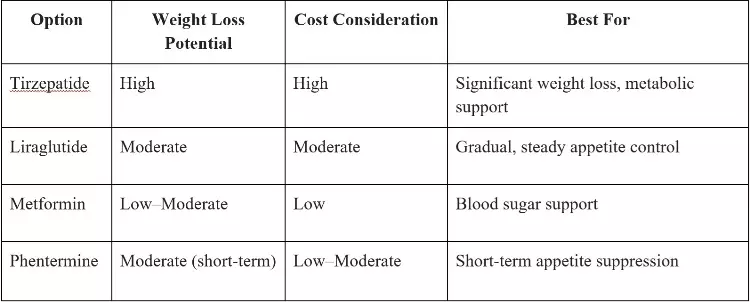
Photo Credit: Comparison Chart of Common Alternatives, CPOHealth
How to Avoid Weight Regain
Stopping semaglutide doesn’t automatically mean starting over. Many people maintain results by being intentional.
Focus on satiety-driven eating: Meals built around fiber, protein, and healthy fats can help manage hunger naturally.
Keep movement consistent: Strength training and walking are especially effective for maintaining weight loss.
Avoid “all-or-nothing” thinking: Small changes compound over time—consistency matters more than perfection.
Stay medically supported: Regular check-ins can help adjust your plan before setbacks become significant.
Accessing Semaglutide in Canada
For those continuing treatment or exploring options, semaglutide medications remain available in Canada through licensed pharmacies. At Canada Pharmacy Online:
* Ozempic is available as a multi-use pre-filled pen (2 mg and 4 mg), currently for local pickup; generic Ozempic is expected to be available in late 2026.
* Wegovy is available in multiple dose strengths for local pickup.
* Rybelsus is available in tablet form across a range of dosages.
At this time, generic versions are not yet available but are expected in the future.
The Bottom Line
Stopping semaglutide can lead to increased appetite, weight regain, and changes in blood sugar, but these outcomes aren’t set in stone. The difference often comes down to what happens next.
A thoughtful plan—whether that includes lifestyle adjustments, alternative medications, or continued medical support—can help preserve the progress you’ve made. If you’re considering stopping, the most important step is not doing it alone. A clear strategy and supervision from a medical professional can make all the difference.
###
Your email address will not be published. Required fields are marked with *.